Can Buffing Damage Car Paint?
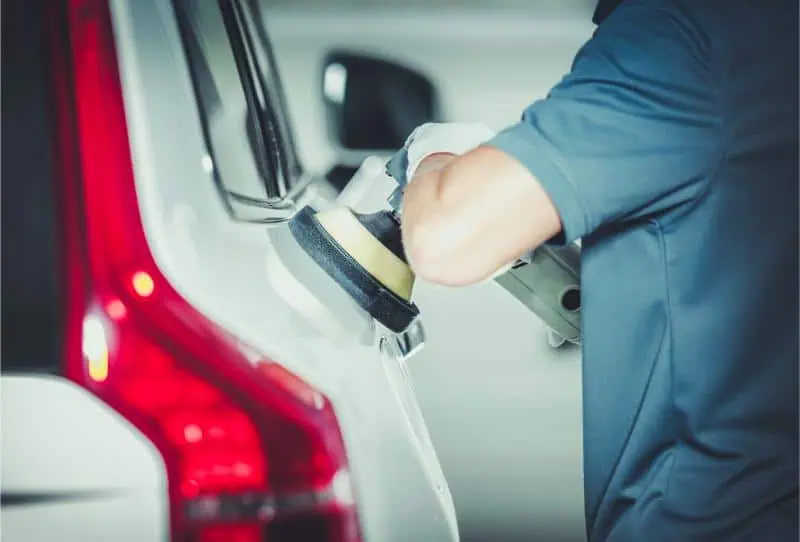
A professional can easily buff a vehicle without damaging the paint. Novice detailers, on the other hand, often have trouble with a mechanical buffer due to incorrect setup or technique.
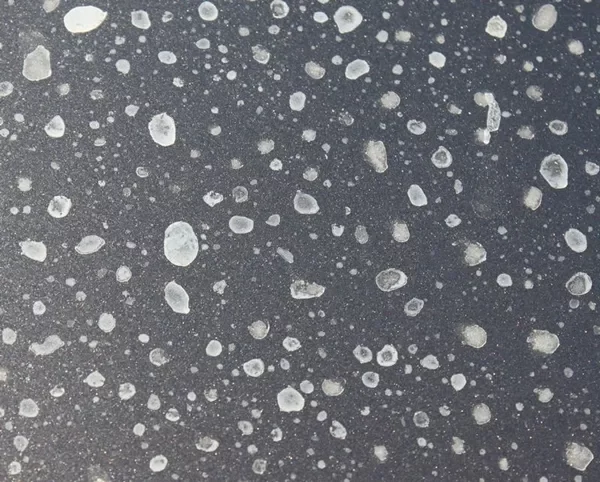
Buffing is a vital step in the car-maintenance process because it removes contaminants like dirt, bird droppings and road tar that won’t come off with just a regular wash. It can also fix oxidation, which gives the paint a milky appearance.
Harsh Chemicals
Buffing chemicals are very harsh and can damage your paint if used incorrectly. This is why it is best to leave the buffing process to a professional. If you want to buff your car, it is important to thoroughly wash and dry it before starting.
This will ensure that the surface is free of dirt and dust particles that can cause scratching and other damage. It is also a good idea to use a high-quality buffer pad and follow the manufacturer's instructions for using the product.
There are several reasons why your car's paint may look dull and lackluster, including oxidation, scratches, and contamination. To get your paint looking like it did when it rolled off the dealership, it might be time to buff. Buffing, when done correctly, will make your car shine again by removing the microscopic scratches and blemishes that are visible to the naked eye. This will give your car a smooth and glossy finish that will reflect light evenly.
Over-Buffering
While buffing is a great way to improve the look of your car’s paint, it can also cause damage when not done correctly. This can lead to swirl marks, holograms and other imperfections that will detract from your car’s appearance.
This is especially true for older cars with single-stage paint. These types of finishes don’t have the clear coat layer that protects them from UV rays, so when they are buffed too much they can fade or even peel.
To avoid this, only use a buffing machine designed to work with a specific type of polish and follow the instructions carefully. It’s also a good idea to buff the vehicle with a soft, non-rotary buffer and to only remove a small amount of paint at one time. This will help to prevent the formation of micro-scratches. If you do end up with a scratch, try to fill it in using a glaze instead of buffing again.
Using the Wrong Polish
Buffing is a very precise process that requires a well-matched combination of pad and polish to achieve the best results. There are a range of pads and compounds designed for different jobs, from heavy oxidation removal to finishing. Only experienced professionals know the right combinations to use for the best results.
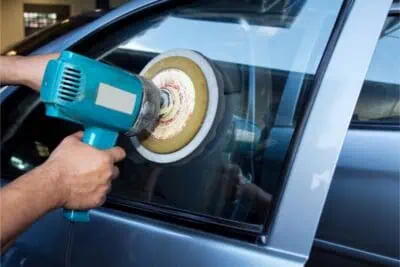 Using the wrong polish can damage car paint. Some polishes have abrasive ingredients that can remove clear coat or cause surface scratches. If you're buffing to remove acid rain, watermarks or even a scratch, make sure the polish has a scratch remover or is made for this type of job.
To protect your vehicle, never buff when it's hot or in direct sunlight. The heat will dry the wax faster and can also affect its adhesion to the car's painted surface. It's best to work in a shaded area and apply the wax according to its label instructions.
Using the Wrong Buffer
You can damage car paint if you use the wrong pad and polish. This can cause moderate to severe swirl marks or holograms, if it's not done correctly.
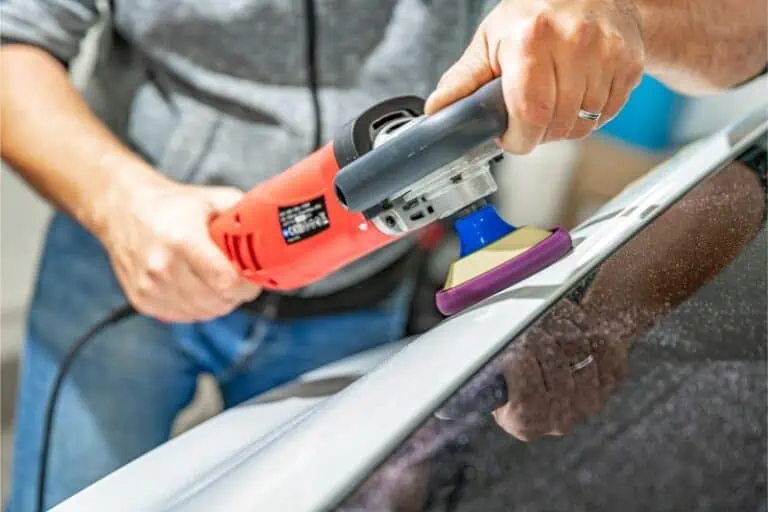
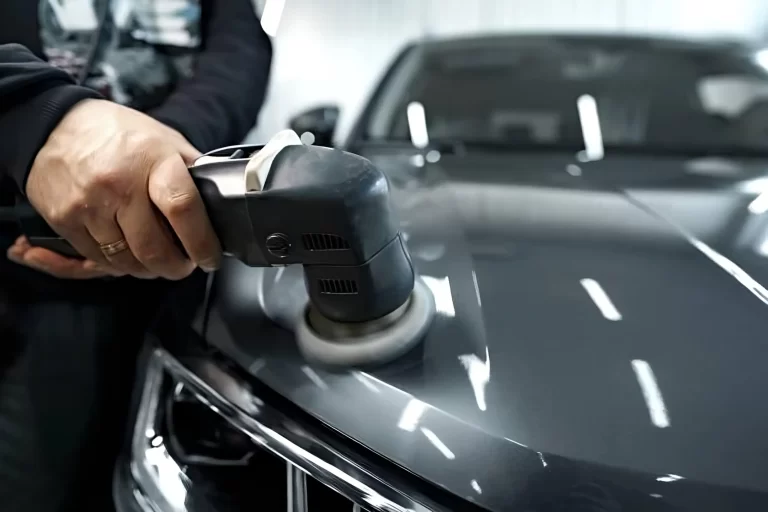
When used properly, a high-quality buffing machine can remove deep scratches and embedded contaminants much faster than you can by hand. It also creates an even finish and prepares the paint for protection.
Some common paint defects that are a result of improper buffing include swirl marks, watermarks and acid etching. Other factors can contribute to these issues as well, including improper car care and maintenance, environmental factors and even aging of the paint.
To avoid these problems, be sure to choose a quality polish and pad that is suitable for the vehicle. Avoid using pads with mechanical abrasives that don't break down as you buff. These can scratch the clear coat and scour the surface of the paint. Instead, try a foam or wool pad with a diminishing abrasive that won't induce swirl marks.