How to Fix Mismatched Car Paint
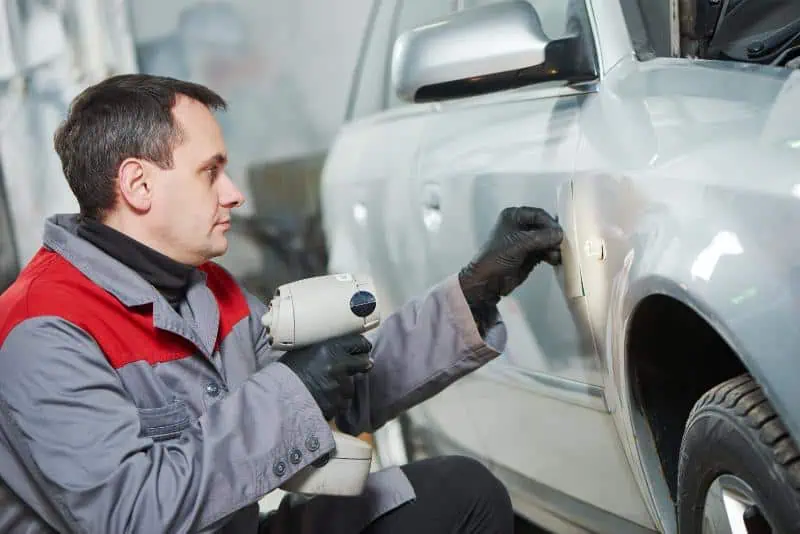
One of the most important aspects of post-accident repair is ensuring that the repaired area blends seamlessly with the rest of the vehicle’s paint. Often this requires using a technique called panel-blending.
But sometimes this doesn’t work out. Maybe the shop used a different formula for the color or they did not blend it correctly.
Preparation
It's important to get the color right. If you're doing a touch up, find the vehicle's color code (usually located inside the driver's side door jamb) and order paint that's factory matched to it. Be sure to use only the recommended primers, too - switching brands can cause compatibility issues that lead to paint not sticking, checking, crazing, and other unpleasantness.
Another common problem is not blending the new paint into the existing car paint. This is a key technique for ensuring that the repair looks natural to the eye. It's particularly important with colors that have metallic or pearl flakes in them.
If you suspect this is the issue, ask a friend to look at the car and tell you which panel they notice as being "off". They'll usually spot it pretty quickly if it's not blended properly. Then you can talk to the shop and see what they suggest for fixing it. (It's also worth mentioning that if they did a good job on the left fender, they should be able to match the right fender as well).) Also see if you can get them to buff and wax the fenders to hide the difference.
Spraying
Sometimes body shops will use pre-painted replacement parts, which can have a different color than the vehicle’s original paint. Then the collision repair centre has to blend the new paint into the old paint. It’s not always easy.
Even if the original color is matched perfectly, there’s a possibility it could fade based on sun exposure or other factors. That makes a full repainting a possible option, but it’s costly and time-consuming.
Spectrophotometers are an important tool for limiting the trial-and-error involved in getting a perfect match, and using proper painting technique can help prevent orange peel. However, it’s always a good idea to evaluate the color under color-corrected lighting (typically with the booth lights off) and in natural daylight. This will ensure the shop is evaluating the color in the right cast and in the correct light conditions. It will also allow the painter to see if there are any imperfections in the paint that need to be addressed, like too much green or red.
Blending
Whether you have one or several spots to repair on the car or truck, your painter will use a technique called “blending” to match the new and old paint. It is one of the most important and time consuming steps in a quality body shop repair.
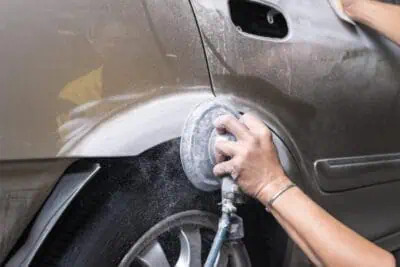 Blending is especially important with metallic and pearl colors that can change color with the clear coat as light hits it. A good painter can make these differences disappear.
A good painter will spray a test panel and compare it to the vehicle (Fig 4). They can then tell if the color is “blendable” or not. This allows them to save time by not having to apply a second layer of color. It also gives them a better idea of how the color will look once it’s blended into the adjacent panels. The test panel will also give them a reference point for how the color will look in the sun.
Finishing
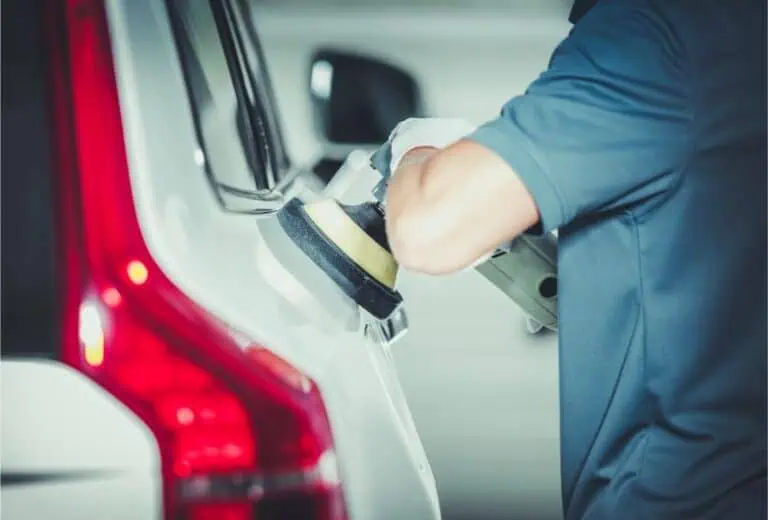
Once the repair area is sprayed and blended it is important to use a color corrected light to check for both color match and full coverage. If the paint is thin it can be sanded down and touched up, but this will leave a mark that may not show until the vehicle is out in the sun.
Another thing to consider is that paint colors can vary slightly from batch to batch. Many paint manufacturers provide variance decks that can be used to help determine a match.
It is very important to have a good understanding of how to use a paint mixer and have the proper equipment to properly perform a repair and paint job. Using the latest in spectrophotometer technology can limit trial and error when matching colors and make the process much more efficient and effective. This will ensure that the finished product is as close to factory quality as possible. However, there is always a possibility that it will not be perfect, and in some cases, the customer may be willing to accept a slight mismatch in paint color.