How to Fix Sun Damage on Cars
Living in the Bay Area means plenty of sunshine year-round. While we love the California weather, our cars pay the price. After years of exposure, that sun-baked paint starts to fade, plastic trim turns chalky, and dashboards crack.
The good news? Most sun damage is fixable without a complete repaint. Here's what you need to know about repairing sun damage and keeping your car looking good for years to come.
What Causes Sun Damage on Cars?
UV rays are the main culprit. When your car sits in direct sunlight, ultraviolet radiation breaks down the chemical bonds in paint, plastic, and rubber. Over time, this causes:
- Faded paint – Colors lose their vibrancy and appear washed out
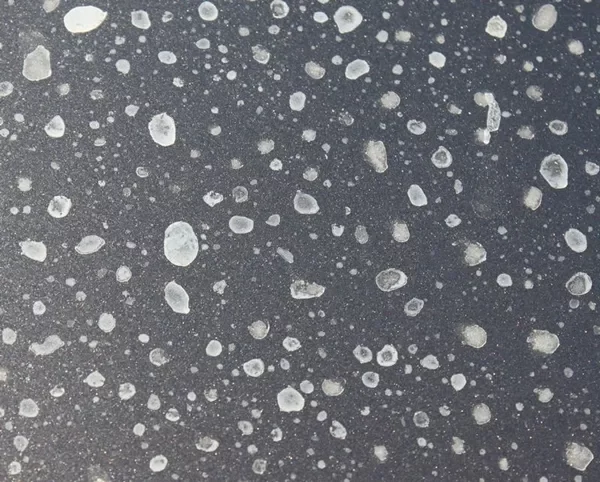
- Oxidation – Paint develops a chalky, dull film on the surface
- Clear coat failure – The protective layer peels or cracks
- Cracked plastic – Dashboard, trim, and bumpers become brittle
- Interior fading – Seats and upholstery lose color and dry out
In cities like San Jose, Palo Alto, and Sunnyvale, where cars often park outdoors in full sun, these issues show up faster than in cooler climates.
How Much Does It Cost to Fix Sun Damage on a Car?
Cost depends on how severe the damage is:
Minor oxidation and fading:
- DIY compound and polish: $30-$80 in supplies
- Professional paint correction: $200-$500
- Single-stage correction can remove light oxidation and restore shine
Moderate damage (deeper fading, clear coat issues):
- Multi-stage paint correction: $400-$800
- May require wet sanding to level the surface
- Follow-up with ceramic coating for protection: additional $400-$1,200
Severe damage (peeling clear coat, deep cracks):
- Panel repaint: $300-$800 per panel
- Full vehicle repaint: $2,500-$5,000+
- Only necessary when clear coat has failed completely
Interior sun damage:
- Leather conditioning and restoration: $150-$400
- Plastic trim restoration: $100-$250
- Dashboard repair/replacement: $300-$1,000+
Most cars with typical Bay Area sun exposure fall into the minor to moderate category, which means professional correction is usually enough.
How to Fix Sun-Damaged Car Paint (Step-by-Step)
What You'll Need:
- Car wash soap and microfiber towels
- Clay bar kit
- Rubbing compound (medium cut)
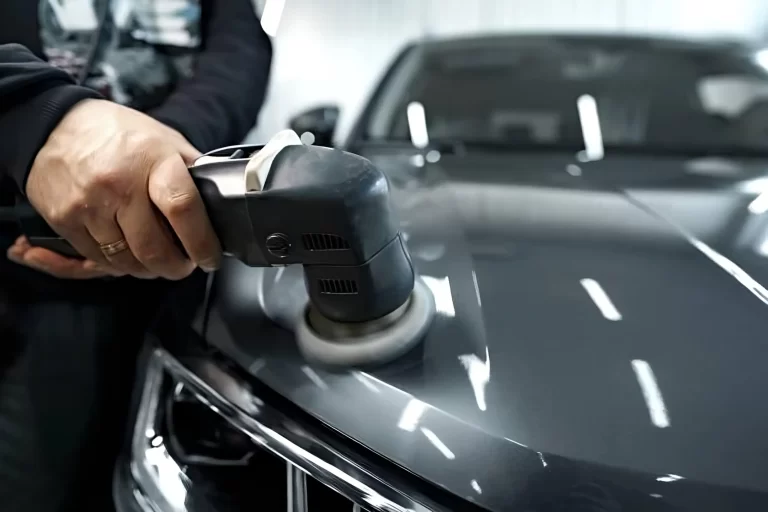
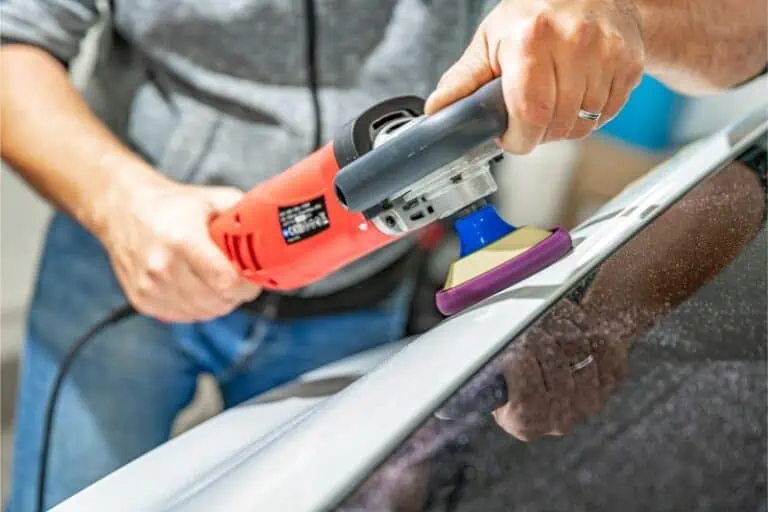
- Dual-action polisher (or by hand if damage is light)
- Polishing pads (cutting and finishing)
- Car wax or paint sealant
Step 1: Wash and Inspect
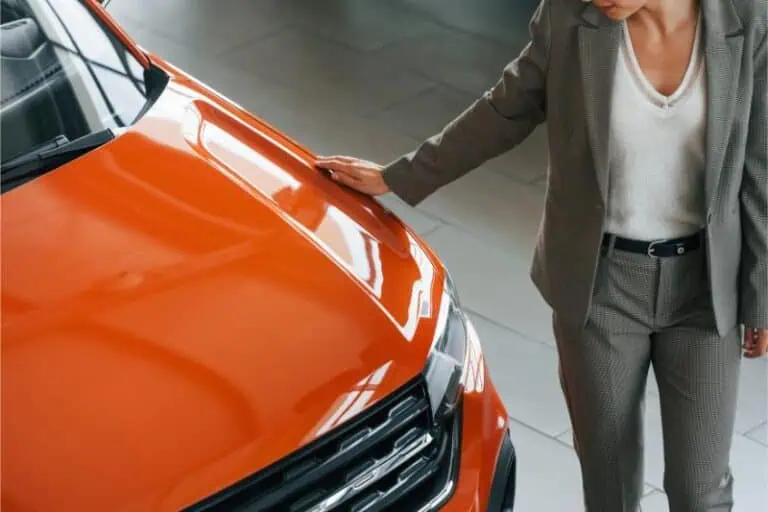
Start with a thorough wash to remove dirt, bugs, and grime. Dry completely. Look closely at the damaged areas under good lighting. If you see:
- Chalky, dull finish → Oxidation (fixable with compound)
- Rough texture → Contamination (needs clay bar)
- Peeling clear coat → Needs repaint (skip to professional help)
Step 2: Clay Bar Treatment
Even clean-looking paint can have bonded contaminants that create a rough surface. Run your hand over the paint – if it feels bumpy or gritty, use a clay bar to remove embedded debris. This step is crucial before polishing. Check out our guide on clay bar treatment for more details.
Step 3: Apply Rubbing Compound
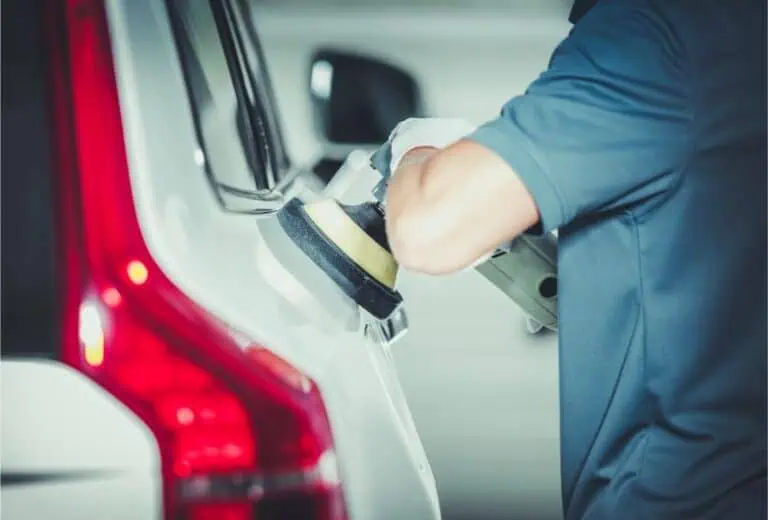
For oxidized paint, you need to remove the damaged top layer. Apply a small amount of rubbing compound to a polishing pad. Work in 2x2 foot sections using overlapping passes.
- For hand application: Use firm, circular motions
- With a polisher: Keep it moving, don't apply heavy pressure
- Work until the haze clears and you see glossy paint underneath
Wipe off residue with a clean microfiber towel between sections.
Step 4: Polish for Clarity
After compounding, the paint may look better but still slightly hazy. Use a finer polish with a finishing pad to bring out the gloss. This step removes any micro-scratches left by the compound and creates a smooth, reflective finish.
Step 5: Protect the Finish
Freshly corrected paint needs protection, or it'll oxidize again. Your options:
- Carnauba wax: Good protection for 2-3 months, warm glow
- Synthetic sealant: Lasts 4-6 months, better UV protection
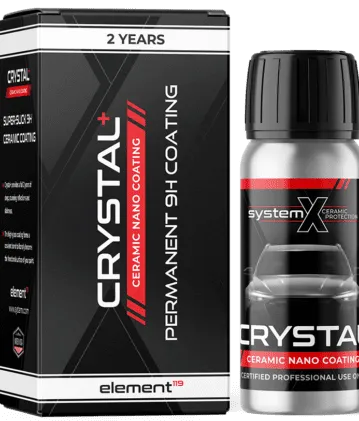
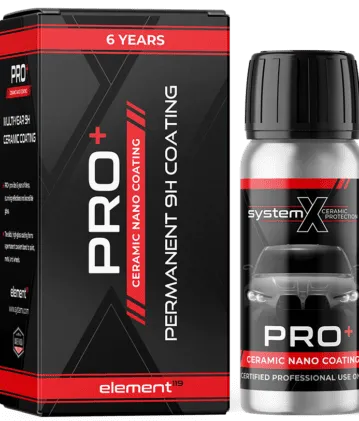
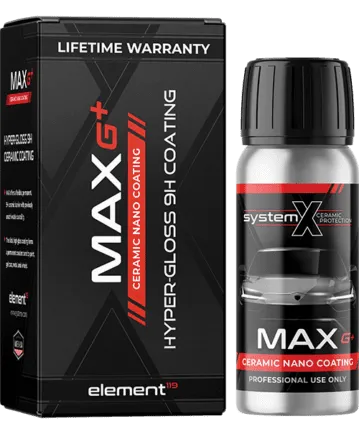
- Ceramic coating: Professional-grade protection for 2-5 years
If you went through all the work to fix the damage, a ceramic coating makes sense. It bonds to the paint and provides a hard, protective layer that resists UV damage far better than wax.
How to Fix Sun-Damaged Plastic Trim
Black plastic trim fades to gray faster than paint. Here's the fix:
- Clean thoroughly – Remove dirt and old dressings with a degreaser
- Try a trim restorer – Products like Solution Finish or Cerakote Trim Coat can restore black color by penetrating the plastic
- Use a heat gun (carefully) – For temporary results, a heat gun can darken faded trim, but the effect doesn't last
- Apply trim protectant – After restoration, use a UV-blocking trim gel to slow future fading
For trim that's too far gone, replacement might be the only real fix. Professional trim restoration services can handle stubborn cases.
How to Fix Sun Damage on Car Interiors
Interior sun damage hits dashboards, seats, and door panels hardest. Here's how to address each:
Dashboard and Hard Plastics
- For fading: Use an interior restorer product designed for plastics
- For cracks: Small cracks can be filled with plastic repair kits, but deep cracks usually mean replacement
- Prevention: Keep a windshield sunshade in place when parked
Leather and Vinyl Seats
Sun-damaged leather gets stiff, faded, and eventually cracks. Early intervention helps:
- Clean with a pH-balanced leather cleaner
- Apply a leather conditioner with UV protection
- For severe fading, professional leather cleaning and conditioning can restore some color
Vinyl seats can be treated similarly, though they're generally more resilient than leather.
Fabric Upholstery
Fabric fades but rarely cracks like leather. Regular cleaning and UV protectant sprays can slow the process. If color is badly faded, reupholstering might be the only option.
How to Prevent Sun Damage on Your Car
Fixing sun damage takes time and money. Prevention is easier:
Park Smart
- Use covered parking whenever possible (garage, carport, covered lot)
- If parking outside, find shaded spots
- In cities like Los Gatos, Cupertino, and Mountain View, many public lots have covered sections
Use Protection
- Car covers – Effective but only practical for long-term storage
- Windshield sunshades – Protect the dashboard and keep the interior cooler
- Ceramic coating – The best long-term protection for exterior paint
- Paint protection film (PPF) – Ultimate protection for high-impact areas like the hood and bumper
Regular Maintenance
- Wash regularly – Dirt and grime amplify UV damage
- Wax or seal every 3-4 months – Maintains the protective barrier
- Full detail twice a year – Keeps paint and interior in top condition
Best Car Colors to Avoid Sun Damage
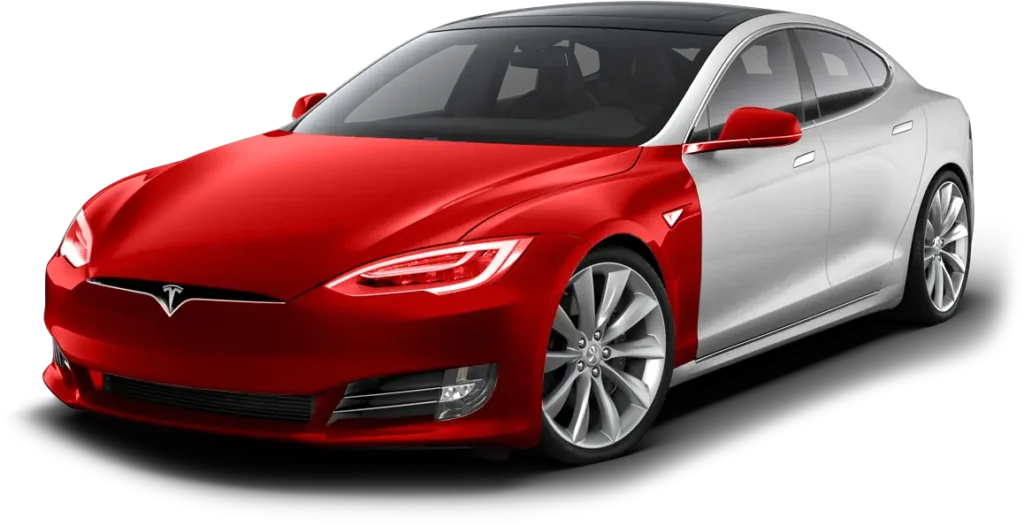
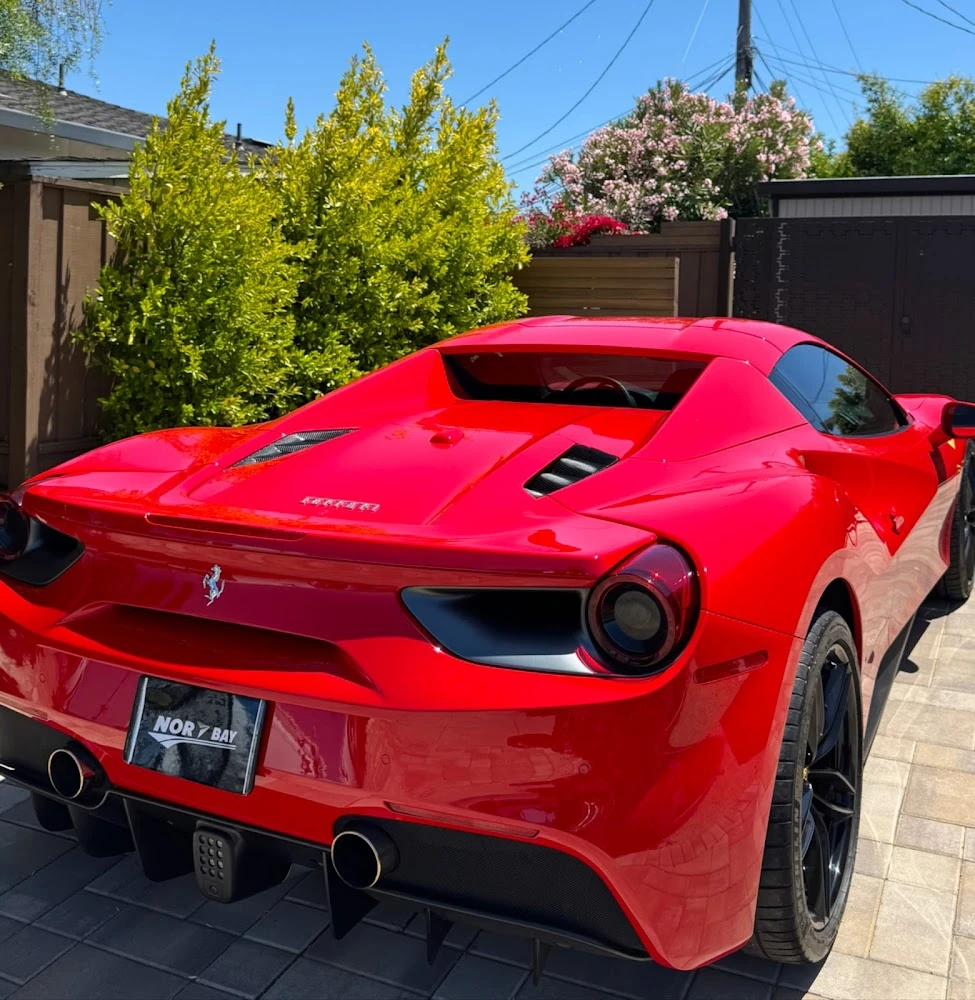
Light colors like white, silver, and beige show less fading than dark colors. Red and black are the worst offenders – they fade faster because they absorb more UV radiation. If you're buying a car in California, light metallic colors are your friend.
DIY vs Professional Sun Damage Repair
Go DIY if:
- Damage is minor (light oxidation, surface-level fading)
- You have time and patience to work slowly
- You're comfortable using a polisher (or willing to work by hand)
- Budget is tight
Hire a professional if:
- Clear coat is failing or peeling
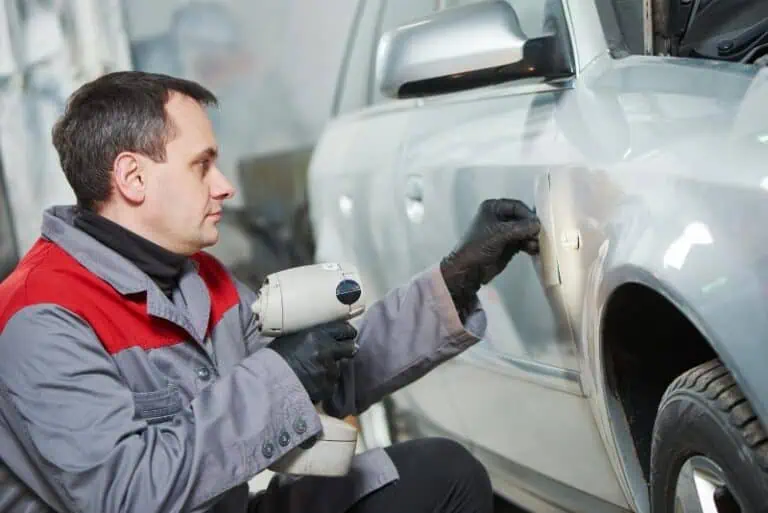
- Large areas are affected (hood, roof, multiple panels)
- You want guaranteed results without risking paint damage
- You're considering paint protection (ceramic coating or PPF)
Our mobile detailing service brings professional-grade equipment and products right to your driveway in Campbell, Saratoga, Santa Clara, and throughout the South Bay. We handle everything from paint correction to ceramic coating without you having to leave home.
When to Just Repaint
Sometimes the damage is too far gone. If you see:
- Clear coat peeling in large sheets
- Paint flaking off down to primer or bare metal
- Multiple layers of failure across several panels
- Rust forming under damaged paint
...it's time for a repaint. At that point, compounding won't help. You're better off getting quotes from body shops or considering whether the car's value justifies the repair cost.
Common Questions About Sun Damage Repair
Can you fix sun damage on a car?
Yes, in most cases. Minor to moderate oxidation and fading respond well to paint correction. Severe clear coat failure requires repainting.
How long does it take to fix sun damage?
DIY: 4-8 hours for a full vehicle. Professional paint correction: 4-10 hours depending on severity. Expect to drop your car off for a day.
Does sun damage lower my car's value?
Yes. Faded paint and cracked interiors hurt resale value. Fixing sun damage before selling can increase offers by $500-$2,000.
Can I prevent sun damage completely?
Not completely, but you can slow it way down. Covered parking + ceramic coating + regular maintenance will keep your car looking good for 10+ years even in sunny climates.
Get Professional Help in the Bay Area
If your car's showing signs of sun damage and you're in San Jose, Palo Alto, Menlo Park, Sunnyvale, Los Altos, or anywhere in Santa Clara County, we can help. Our mobile detailing brings professional paint correction, ceramic coating, and interior detailing services straight to your location.
Whether you need light oxidation removal or a complete multi-stage correction, we'll restore your car's finish and protect it from future damage – all while you're at home or work.
Get a free quote or text us to schedule your service.