Paint Correction vs Polishing vs Detailing: What’s the Difference?
"I need my car polished."
"Can you do paint correction?"
"What's included in a full detail?"
We hear these questions every day, and honestly? Most people use these terms interchangeably without knowing they're talking about completely different services.
Here's the problem: Some shops call basic waxing "polishing." Others call glaze application "paint correction." And "detailing" can mean anything from a $50 car wash to a $2,000 multi-day restoration.
This guide clears up the confusion. You'll learn exactly what paint correction, polishing, and detailing actually mean, what each process does (and doesn't do), and which service your car actually needs.
The Quick Answer
Detailing: Thorough cleaning of your entire car – inside and out. Doesn't fix paint defects.
Polishing: Can mean different things. Sometimes it's light buffing, sometimes it's full correction. Always ask what's included.
Paint Correction: Specialized process that actually removes paint defects (swirl marks, scratches, oxidation) by leveling the clear coat.
The relationship: Detailing cleans. Polishing can range from adding shine to fixing defects. Paint correction specifically fixes defects permanently.
Let's break down each one.
What is Detailing?
Detailing is thorough cleaning and restoration of your car's appearance – both inside and out.
What's Included in Detailing:
Exterior:
- Hand wash using two-bucket method
- Wheel and tire cleaning
- Clay bar treatment to remove bonded contaminants
- Wax or sealant application
- Trim restoration
- Window cleaning
Interior:
- Vacuum carpets and seats
- Steam cleaning or shampooing
- Leather cleaning and conditioning
- Dashboard and console cleaning
- Pet hair removal if needed
- Odor removal if needed
What Detailing Does:
✅ Makes your car clean
✅ Removes surface dirt and grime
✅ Restores interior appearance
✅ Adds temporary shine with wax
✅ Protects against new contamination
What Detailing Doesn't Do:
❌ Remove swirl marks
❌ Fix scratches
❌ Eliminate oxidation
❌ Restore faded paint
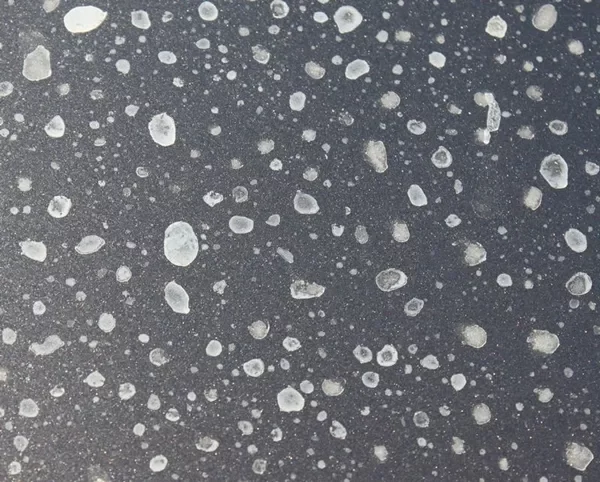
❌ Remove water spot etching
Think of detailing like deep cleaning your house. Everything looks better and smells fresh, but you're not fixing structural issues or repairing damage. You're cleaning what's there.
Time required: 2-4 hours for most vehicles
Cost: $145-$495 depending on package and vehicle size
What is Polishing?
Here's where it gets confusing. "Polishing" doesn't have a standard definition in the detailing industry.
The Problem with "Polishing"
To some shops, polishing means:
- Applying wax by hand or machine
- Using a glaze product to temporarily fill scratches
- Light buffing to add shine
To others, it means:
- Actual paint correction that removes defects
- Multi-stage compounding and polishing
- Removing clear coat to level the surface
This is why you need to ask: "What does your polishing include? What defects will it remove?"
The Three Types of "Polishing"
1. Wax Application (Not Real Polishing)
Some shops call wax application "polishing" because they use a machine to apply it.
What it does: Adds temporary shine, fills minor imperfections temporarily
What it doesn't do: Actually remove any defects
Duration: Wax wears off in 2-4 months, revealing original defects
Red flag: If they're done in 30 minutes, it's just wax.
2. Glaze Application (Fake Correction)
Glazes contain fillers that temporarily mask scratches and swirls.
What it does: Makes defects look gone under certain lighting
The problem: Fillers wash away after 2-3 washes, defects reappear
Why shops use it: Faster and cheaper than real correction, looks good initially
How to spot it: If they mention "glaze" or "filling" scratches, it's not real correction.
3. Actual Paint Correction (Real Polishing)
This is what polishing should mean: mechanically removing defects by leveling the clear coat.
What it does: Permanently removes swirl marks, light scratches, oxidation
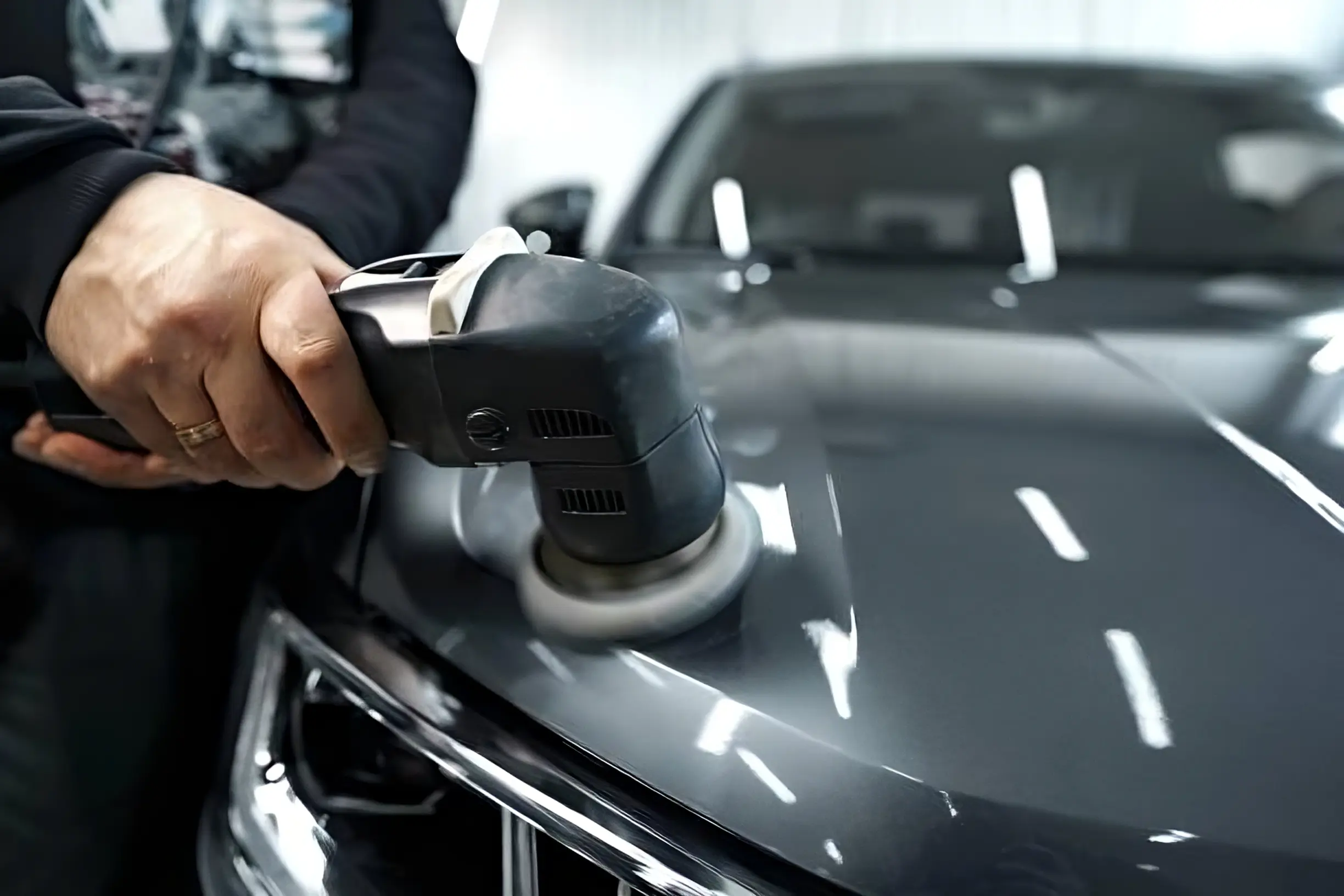
The process: Multiple stages using compounds and polishes of varying aggressiveness
Duration: Results are permanent (until new damage occurs)
This is paint correction. If a shop is doing real paint correction, they should call it that – not hide it under the vague term "polishing."
What is Paint Correction?
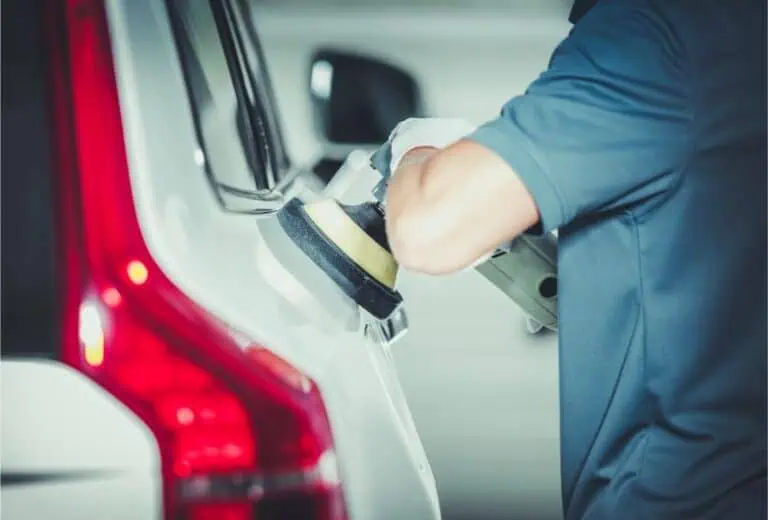
Paint correction is the specialized process of removing surface defects from your car's clear coat.
How Paint Correction Actually Works
Your car's paint has three layers:
- Primer (protects metal)
- Base coat (the color)
- Clear coat (protective top layer, 4-5 mils thick)
Most visible defects – swirl marks, light scratches, water spots – are in the clear coat.
Paint correction removes microscopic amounts of clear coat to level the surface and eliminate those defects.
What Paint Correction Removes:
✅ Swirl marks and spider webbing
✅ Light to moderate scratches
✅ Water spot etching
✅ Oxidation and fading
✅ Holograms (from bad buffing jobs)
✅ Micro-marring from automatic car washes
What Paint Correction Can't Remove:
❌ Deep scratches through the clear coat
❌ Rock chips
❌ Dents
❌ Paint transfer
❌ Clear coat that's completely failed
The Paint Correction Process:
Step 1: Decontamination
- Thorough wash
- Iron remover for brake dust
- Clay bar to remove bonded contaminants
Step 2: Paint Measurement
- Use paint depth gauge to measure clear coat thickness
- Determines how much correction is safe
Step 3: Compounding
- Aggressive pads and compounds remove bulk of defects
- Work one panel at a time
Step 4: Polishing
- Finer pads and polishes refine the surface
- Remove any haze from compounding
Step 5: Final Polish (for 3-step correction)
- Ultra-fine polish for maximum gloss
- Optical clarity
Step 6: Protection
- Ceramic coating, wax, or sealant
- Locks in the perfect finish
Paint Correction Levels:
1-Step: 25-30% defect removal, 3-5 hours, $245-$345
2-Step: 60-75% defect removal, 5-8 hours, $365-$395
3-Step: 80-95% defect removal, 1-2 days, $596-$795
Learn more about paint correction stages →
Is Paint Correction Just Polish?
Short answer: No.
But here's why people confuse them:
Paint Correction Uses Polishing...
The tools and products used in paint correction include:
- Polishing machines (rotary or dual-action)
- Polishing pads
- Polishing compounds
So yes, paint correction involves polishing in the technical sense.
...But Not All Polishing is Paint Correction
True paint correction:
- Actually removes defects permanently
- Multi-stage process
- Requires paint depth measurement
- Takes hours, not minutes
- Results don't wash away
Basic "polishing" (what most shops offer):
- Applies wax or glaze
- Temporarily masks defects
- Single-stage process
- Takes 30-60 minutes
- Results fade after a few washes
The key difference: Paint correction actually fixes the problem. Basic polishing just covers it up temporarily.
How to Tell the Difference:
Ask these questions:
- "Do you use a paint depth gauge?"
- "Is this a multi-stage process?"
- "Will you remove defects or fill them?"
- "How long will the results last?"
Red flags:
- "We use a special glaze that fills scratches"
- Service takes less than 2 hours
- No mention of compounding stages
- They don't ask about your paint's condition
Good signs:
- They inspect your paint under LED lights first
- They mention decontamination steps
- They explain 1-step vs 2-step vs 3-step options
- They measure paint depth before starting
Does Paint Correction Fix Clear Coat?
Yes and no. Let's clarify what this means.
What Clear Coat Is
Clear coat is the transparent protective layer on top of your car's colored base coat. It:
- Protects the base coat from UV rays
- Provides gloss and shine
- Shields against environmental damage
- Prevents oxidation of the base coat
What Paint Correction Does to Clear Coat
Paint correction doesn't "fix" clear coat in the sense of rebuilding or repairing it.
Instead, it:
- Removes damaged layers of clear coat
- Levels the surface to eliminate defects
- Restores optical clarity
- Brings back gloss
Think of it like sanding a wooden table: You're removing the damaged top layer to reveal the good wood underneath.
When Clear Coat Can't Be Fixed
Paint correction only works if you have enough clear coat left to work with.
Clear coat that's too far gone:
- Completely missing in areas (you can see primer or base coat)
- Cracking or peeling
- So thin that polishing would burn through
- Severely oxidized (turned chalky white)
In these cases: You need repaint, not correction.
How Paint Correction Preserves Clear Coat
Responsible detailers always:
- Measure clear coat thickness before starting
- Remove only what's necessary
- Monitor thickness during the process
- Stop if clear coat gets too thin
Why this matters: You can only correct a car 2-3 times in its lifetime before running out of clear coat. Each correction removes material.
Protecting Clear Coat After Correction
Once paint is corrected, protect it immediately:
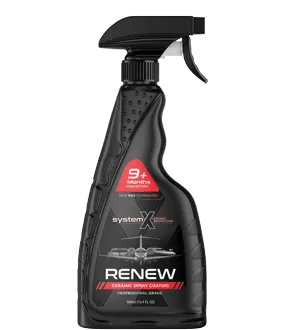
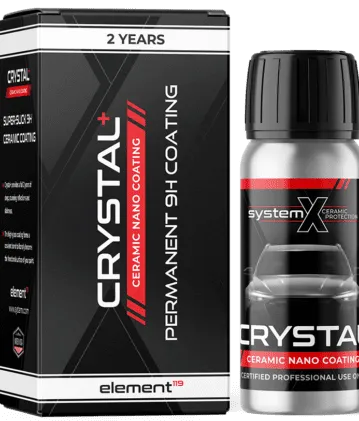
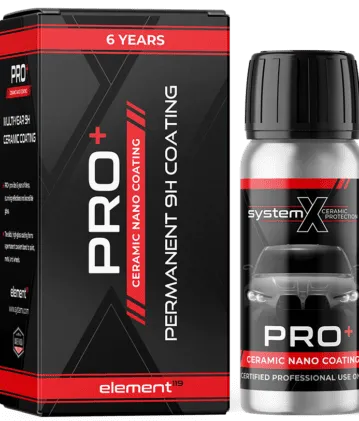
Ceramic coating (recommended)
- 9H hardness protects clear coat
- UV protection prevents new oxidation
- Chemical resistance against bird droppings, tree sap
- Lasts 1-5 years
- Physical barrier against rock chips
- Self-healing properties
- Works great with ceramic coating on top
Traditional wax or sealant
- Budget option
- Lasts 2-6 months
- Requires frequent reapplication
Paint Correction vs Polishing vs Detailing: Side-by-Side Comparison
| Feature | Detailing | Basic "Polishing" | Paint Correction |
|---|---|---|---|
| Purpose | Clean the car | Add temporary shine | Permanently remove defects |
| Method | Washing, vacuuming, waxing | Wax or glaze application | Compounding + polishing |
| Removes swirl marks | No | Temporarily hides them | Yes, permanently |
| Fixes scratches | No | Masks them temporarily | Yes (if not too deep) |
| Removes oxidation | No | Temporarily improves | Yes, permanently |
| Duration of results | Until next wash | 1-3 months | Permanent |
| Time required | 2-4 hours | 30 min - 2 hours | 3-16 hours |
| Cost | $145-$495 | $50-$200 | $245-$795 |
| Includes interior | Yes | Sometimes | No |
| Requires expertise | Moderate | Low | High |
| Paint depth gauge used | No | No | Yes |
| Multi-stage process | No | Sometimes | Always |
Which Service Does Your Car Need?
Choose Detailing If:
✅ Your car is relatively new (less than 2 years old)
✅ Paint is in good condition, just dirty
✅ You need interior cleaning
✅ You maintain your car regularly
✅ Budget is $150-$500
Best for: Regular maintenance, keeping a clean car looking good
Choose Paint Correction If:
✅ You see swirl marks in sunlight
✅ Paint looks dull or faded
✅ There are visible scratches
✅ Car has water spot etching
✅ You want long-term results
✅ Planning to apply ceramic coating
✅ Preparing car for sale
Best for: Restoring damaged paint to like-new condition
Combination Packages (Detailing + Paint Correction):
Most customers who need paint correction also want full detailing. We offer packages that include both:
Deluxe Detail + 1-Step Correction
- Complete interior/exterior detail
- Light paint correction
- Ceramic wax protection
- Starting at $455
Signature Detail + 2-Step Correction
- Deep interior cleaning
- Full 2-step paint correction
- Ceramic coating option
- Starting at $675
Common Myths Debunked
Myth #1: "Polishing and paint correction are the same thing"
Reality: Polishing is a vague term. Paint correction is specific: removing defects by leveling clear coat.
Always ask what "polishing" includes before booking.
Myth #2: "You can just wax out scratches"
Reality: Wax doesn't remove anything. It temporarily fills scratches so they're less visible. Paint correction actually removes them.
Myth #3: "Detailing includes paint correction"
Reality: Standard detailing is cleaning. Paint correction is a specialized add-on service that costs extra and takes much longer.
Myth #4: "Paint correction ruins your clear coat"
Reality: Professional paint correction done properly is safe. We measure paint depth and remove only what's necessary.
Bad paint correction (DIY or cheap shops) can damage clear coat.
Myth #5: "You need to do paint correction every year"
Reality: If properly maintained with ceramic coating and good washing habits, paint correction results last years.
Most cars only need correction 2-3 times in their lifetime.
Myth #6: "All scratches can be corrected"
Reality: Only scratches within the clear coat can be corrected. Deep scratches through to the base coat require touch-up paint or repainting.
The fingernail test: If your nail catches in the scratch, it's likely too deep for correction alone.
The Right Process: Detailing THEN Paint Correction
If your car needs both cleaning and paint correction, the order matters:
Step 1: Exterior Detail
- Wash to remove surface dirt
- Clay bar for bonded contaminants
- Clean wheels and trim
Step 2: Paint Correction
- Inspect under proper lighting
- Measure paint depth
- Compound and polish
- Remove all defects
Step 3: Protection
- Apply ceramic coating, sealant, or wax
- Locks in the perfect finish
Step 4: Interior Detail
- Vacuum and shampoo
- Clean all surfaces
- Leather conditioning
- Odor removal if needed
Why this order: You need clean paint to do proper correction. And you don't want to get interior cleaning products on freshly corrected paint.
Paint Correction Pricing in San Jose
Our pricing is transparent and based on process level:
Paint Correction Only:
1-Step Correction
- Sedan: $245
- SUV: $265
- Large SUV: $345
2-Step Correction
- Sedan: $365
- SUV: $385
- Large SUV: $395
3-Step Full Correction
- Sedan: $596
- SUV: $675
- Large SUV: $795
Detailing Packages:
Deluxe Auto Detail
- Sedan: $295
- SUV: $365
- Large SUV: $395
Signature Car Detail
- Sedan: $455
- SUV: $475
- Large SUV: $495
Add-Ons:
Ceramic Coating: $595-$995
Headlight Restoration: $75-$125
Oxidation Removal: $95-$150
How to Avoid Getting Scammed
Unfortunately, some shops take advantage of the confusion around these terms.
Red Flags:
❌ Shop promises "paint correction" in under 2 hours
Real correction takes 3-16 hours depending on level.
❌ They don't ask to inspect your paint first
Proper correction requires assessing damage before quoting.
❌ No mention of decontamination steps
Skipping clay bar = scratching during polishing.
❌ Using terms like "filling" or "hiding" defects
That's glaze, not correction.
❌ Same price for all cars regardless of condition
Correction cost should vary based on damage severity.
❌ No paint depth gauge mentioned
Essential tool for safe correction.
❌ "Polish" service is suspiciously cheap
Real correction costs $245+ for 1-step. If it's $50-100, it's just wax.
What Good Shops Do:
✅ Inspect paint under LED lights before quoting
✅ Explain 1-step vs 2-step vs 3-step options
✅ Show you paint depth measurements
✅ Explain what's realistic for your paint condition
✅ Provide timeline (not rushed)
✅ Show before/after photos of their work
✅ Recommend appropriate protection after correction
Maintaining Results
Whether you get detailing or paint correction, maintaining results requires proper care:
After Detailing:
Hand wash only (never automatic car washes)
Use pH-neutral car soap
Microfiber mitts and towels only
Reapply wax every 2-3 months
Wash in straight lines, not circles
After Paint Correction:
Apply ceramic coating immediately (highly recommended)
Hand wash every 2-3 weeks
Use ceramic-safe products
Remove bird droppings promptly
Park in garage or covered area when possible
Never use automatic car washes
With ceramic coating protection: Corrected paint stays perfect for 3-5 years
Without protection: New swirls appear within 1-3 months
Why Choose Nor Bay Mobile Detailing
10+ years experience in both detailing and paint correction
We don't upsell unnecessary services. If your paint only needs 1-step correction, we'll tell you. If it just needs a good detail, we'll say that instead.
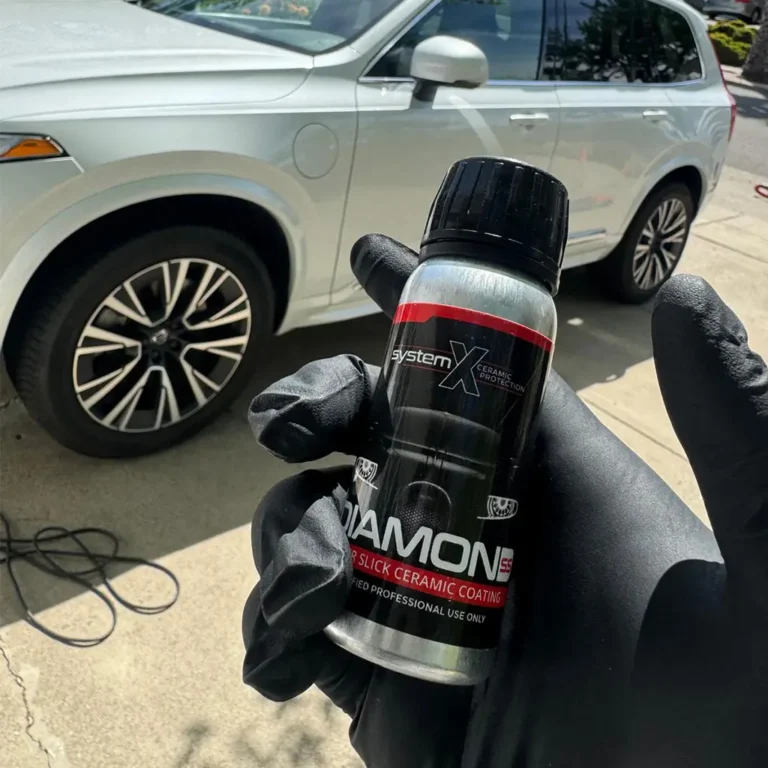
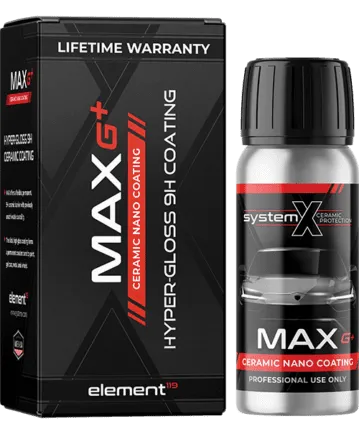
Certified SystemX installer for ceramic coating after correction
Professional equipment: Paint depth gauges, LED inspection lights, rotary and DA polishers
Mobile or shop service: We come to you for detailing, or bring your car to our shop for multi-day correction
Transparent pricing: No surprise charges or hidden fees
Real warranty: If we damage something, we fix it
Book Your Service
Free paint inspection to determine what your car actually needs
Get honest recommendations:
Specialty services:
Call us: (408) 373-3614
Get a free quote →
Serving San Jose and the Bay Area: Mountain View, Sunnyvale, Cupertino, Los Gatos, Saratoga, Campbell, Los Altos, Palo Alto, Menlo Park, Atherton, Santa Clara, Willow Glen, Rose Garden, Almaden Valley, Cambrian Park, and throughout Santa Clara County.