Bay Area Hard Water Spots: Removal & Prevention Guide
Washed your car in San Jose and now it's covered in white spots that won't come off?
You're not imagining things. The Bay Area has some of the hardest water in California, and it's wreaking havoc on your car's finish. Those stubborn white marks aren't just annoying—left alone, they can permanently damage your paint.
This guide breaks down exactly what you're dealing with, which spots you can tackle yourself, and when it's time to call in backup. No fluff, just the practical stuff you actually need to know.
Why Bay Area Water Does This to Your Car
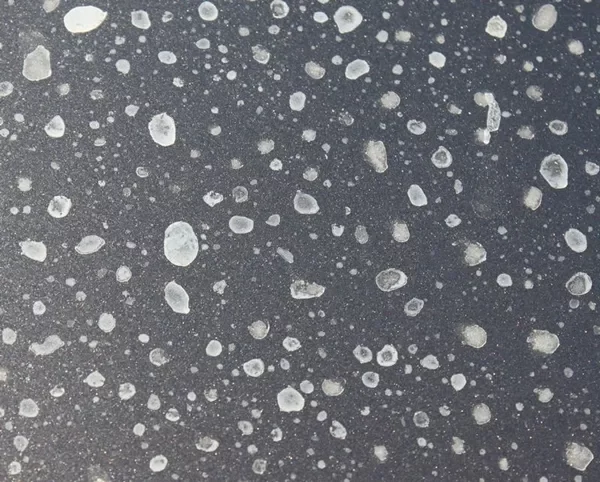
Here's the deal: San Jose water contains high levels of calcium and magnesium—the minerals that make water "hard." When water evaporates on your car's surface, those minerals stay behind and create the white, chalky deposits you're seeing.
How bad is it? According to San Jose Water's 2024 quality report, local groundwater measures between 155 to 545 parts per million (ppm) for hardness. For context, anything over 180 ppm is considered "very hard." Some parts of San Jose—especially East San Jose, Downtown, Cambrian, and Willow Glen areas that pull from local aquifers—see levels at the higher end of that range.
Different neighborhoods get water from different sources:
- East San Jose, Downtown, Cambrian, Willow Glen – Local aquifer water (hardest, up to 545 ppm)
- Cupertino, Saratoga, Campbell, West and South San Jose – Mostly imported surface water (softer, around 86-117 ppm)
- Sunnyvale, Santa Clara – Mix of sources, varies by neighborhood
San Francisco, for comparison, pulls from Hetch Hetchy and averages just 47 ppm—basically soft water. So if you moved here from the city and suddenly can't keep your car clean, now you know why.
The Three Types of Water Spots (And Why It Matters)
Not all water spots are created equal. Understanding which type you're dealing with determines whether you need a $5 DIY fix or a $500+ professional correction.
Type 1: Surface Mineral Deposits
What they are: Minerals sitting on top of your clear coat. They haven't bonded yet.
How to identify them: They feel smooth to the touch and usually come off with a mild acidic solution.
The DIY fix:
- Mix equal parts white vinegar and distilled water in a spray bottle
- Spray onto the affected area
- Let it sit for 3-5 minutes (don't let it dry)
- Wipe with a clean microfiber towel
- Wash and dry your car immediately after
Time needed: 15-30 minutes
Cost: About $5 in supplies
This works because vinegar is mildly acidic and dissolves calcium deposits. If your spots disappear with this method, you caught them early. Nice work.
Type 2: Bonded Contamination
What they are: Minerals that have chemically bonded to your clear coat. They're attached, not just sitting on top.
How to identify them: The vinegar trick doesn't work. When you run your hand across the paint, it feels rough or gritty.
What you need: A dedicated water spot remover product (like CarPro Spotless or Meguiar's Water Spot Remover) combined with a clay bar treatment.
DIY difficulty: Medium. You can do this yourself, but you risk scratching the paint if you're not careful with the clay bar technique.
Professional service cost: $75-150 depending on severity
Time: 1-2 hours of professional work
Type 3: Etched Damage
What they are: The minerals have literally eaten into your clear coat. They've left pits or craters in the surface.
How to identify them: You can feel indentations with your fingernail. Under direct light, you'll see tiny craters where the spots used to be.
Why this happens: Water spots left in direct sunlight for days or weeks. The minerals become more concentrated as water evaporates, and in Bay Area summer heat (regularly hitting 90°F+ in the South Bay), this chemical reaction accelerates fast.
The only real solution: Paint correction to level the clear coat surface around the damage.
Cost: $245-795 depending on how widespread the damage is
No amount of DIY remedies will fix etched water spots. The damage is physical—you're dealing with actual material loss from your clear coat. A professional needs to carefully remove a thin layer of clear coat to restore a flat surface.
What Makes Bay Area Water Spots Especially Brutal
Living here means your car faces a unique combination of challenges that make water spot damage happen faster and hit harder than in most other places.
Summer heat accelerates everything. When it's 95°F+ in San Jose (which happens plenty from June through September), water evaporates rapidly. You might wash your car at 10 AM and have visible spots by noon. That's not enough time to even drive to a covered area.
Sprinkler overspray is everywhere. Silicon Valley neighborhoods are full of automatic sprinkler systems. Park on the street overnight, and you might wake up to a car covered in hard water residue that's been baking since sunrise.
Automatic car washes use hard water too. Unless a wash specifically advertises filtered or soft water systems (most don't), you're just paying to spray hard water all over your car. The forced-air dryers rarely get everything off, leaving spots to form anyway.
Dark colors show it worst. Black, dark blue, dark gray—these are the colors that make water spots impossible to ignore. A white car can hide minor spotting. A black Tesla Model 3? Every single spot is visible from 20 feet away.
A customer came to us with a black BMW in Sunnyvale that had visible etching after just 48 hours of summer sun exposure. The car had been washed on a Friday afternoon and sat in a driveway all weekend. By Monday, we were looking at Type 3 damage that required professional paint correction.
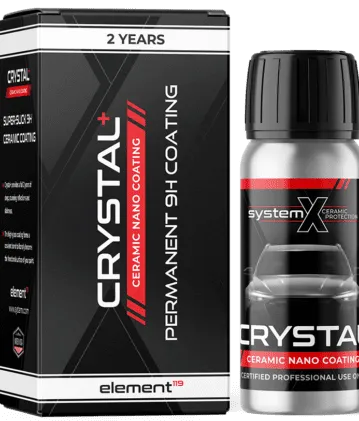
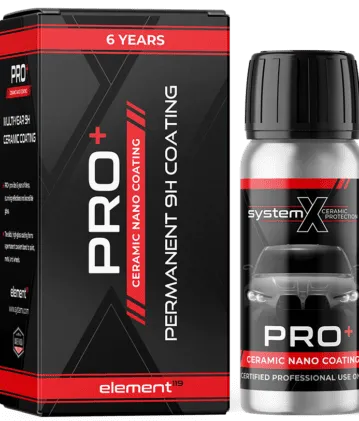
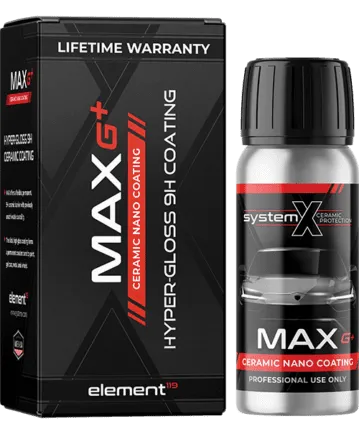
This is why ceramic coating makes such a difference in the Bay Area. The coating creates a barrier between the minerals and your actual clear coat. Water still leaves deposits, but they sit on the coating surface instead of bonding to your paint. They wipe off easier, and even if you're slow to address them, you're protecting the underlying paint.
How to Actually Prevent Water Spots
Prevention beats correction every time—both for your wallet and your paint's long-term health. Here's what actually works.
Dry Your Car Properly (The Non-Negotiable)
Never, ever air-dry your car in the Bay Area. This is the single most important thing you can do.
The two-towel method:
- Use a large, high-quality microfiber drying towel to remove most of the water (this first pass gets about 80%)
- Follow up with a second, dry microfiber towel to catch remaining moisture
- Pay extra attention to mirrors, door handles, trim pieces, and any crevices where water pools
Pro tip: Use a spray wax or quick detailer as a drying aid. Spray it on the wet car, then dry. It adds lubrication, reduces the chance of scratching, and leaves behind a light protective layer.
Consider a DI Water Filter
Deionized (DI) water has had the minerals removed. When it evaporates, there's nothing left behind to cause spots.
Your options:
- Portable DI filter system ($100-200) – Attaches to your garden hose. Lasts for dozens of washes before needing cartridge replacement. Good investment if you wash your own car regularly.
- Use professional mobile detailing – We bring our own water supply. No hard water touches your vehicle.
If you're doing DIY washes at home, a DI filter is probably the single best upgrade you can make for your car's appearance.
Get Ceramic Coating Protection
Ceramic coating doesn't make your car immune to water spots, but it changes the game significantly:
- Water beads up and rolls off, leaving less mineral contact time
- Spots that do form sit on the coating, not your clear coat
- Removal becomes much easier (usually just a quick wipe)
- Even if you slack on maintenance, your actual paint stays protected
The math: A quality ceramic coating runs $595-1,495 and lasts 3-10+ years. If you're spending $150-300 per year on water spot removal, paint correction, or constant product purchases, the coating pays for itself while giving you better protection.
We offer ceramic coating throughout the Bay Area, including Palo Alto, Mountain View, Los Gatos, and Sunnyvale.
Smart Parking Choices
This sounds basic, but it makes a real difference:
- Know your sprinkler schedules. If you park on the street, figure out when neighborhood irrigation runs
- Avoid parking under trees near lawn irrigation. Overspray hits the tree, drips down, and now you have water spots plus tree sap
- Time your car washes. Early morning or evening when it's cooler gives you more time to dry properly before sun exposure accelerates evaporation
The Real Cost of Ignoring Water Spots
Here's how damage progresses in typical Bay Area summer conditions:
| Timeline | Stage | DIY Fix Cost | Professional Fix Cost |
|---|---|---|---|
| Days 1-3 | Surface deposits | $5 (vinegar) | $50-75 |
| Week 1 | Bonded contamination | $30-50 (products + clay bar) | $65-150 |
| Weeks 2-4 | Beginning etching | Not DIY-able | $250-350 |
| Month 2+ | Deep etching | Not DIY-able | $596-800+ |
That $5 fix on day one? It becomes a $500+ problem if you wait two months. And that's assuming the damage is fixable without repainting the affected panels.
This isn't scare tactics—it's just how the chemistry works. The longer mineral deposits sit on paint in UV exposure and heat, the deeper they bond and the more damage they cause.
When to Call a Professional
Save yourself the frustration. Reach out for help if:
- DIY worked but spots came back immediately – Your water is too hard for home methods to keep up
- Vinegar solution did nothing – You're dealing with bonded contamination or etching
- You can feel the spots – That rough texture means the problem is beyond surface level
- You drive a dark-colored car with visible etching pits – This needs professional correction
- Multiple panels are affected – DIY becomes impractical when damage is widespread
- You're preparing to sell – Water spot damage kills resale value. A professional detail before listing is almost always worth the investment
What to Expect from Professional Water Spot Treatment
When you bring your car to us for water spot issues, here's the process:
- Inspection – We look at the damage under proper lighting to identify spot types and severity
- Assessment – We'll be honest about what's DIY-able versus what needs professional correction
- Clear pricing – You'll know the cost before we start any work
- Mobile service – We come to you. No need to drive anywhere or wait at a shop
For exterior detailing including water spot treatment, we service the entire South Bay including San Jose, Campbell, Los Gatos, Mountain View, and surrounding areas.
The Bottom Line
Bay Area hard water isn't going anywhere. If you drive here, you're going to deal with water spots at some point.
Your action plan:
- Act fast – Address spots within the first few days when they're still surface-level
- Never air-dry – Get in the habit of immediately drying your car after any water exposure
- Consider prevention – A ceramic coating or DI water filter pays for itself in avoided damage
- Know when to call backup – If DIY isn't working, don't keep trying. You might make things worse
Need help figuring out what your car needs? We offer free water spot inspections. We'll tell you honestly whether it's a DIY situation or if professional treatment makes sense—no pressure either way.
Quick Links: Bay Area Mobile Detailing Services
Paint Protection Services:
Exterior Detailing:
Service Areas:
- San Jose
- Sunnyvale
- Santa Clara
- Campbell
- Cupertino
- Mountain View
- Palo Alto
- Los Gatos
- Saratoga
- Los Altos
- Menlo Park
Looking for Tesla-specific detailing or full car detailing services? Check out our Tesla Detailing page or browse our Full Car Detail packages.