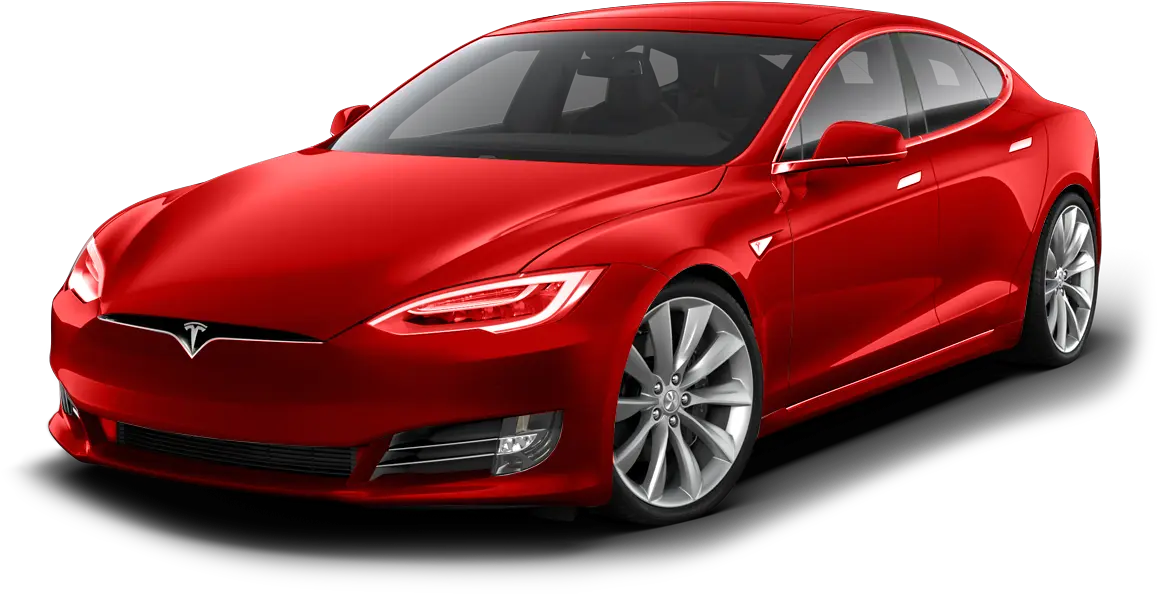
Tesla Model 3/Y Paint Protection: Why New Teslas Need Detailing Before You Drive
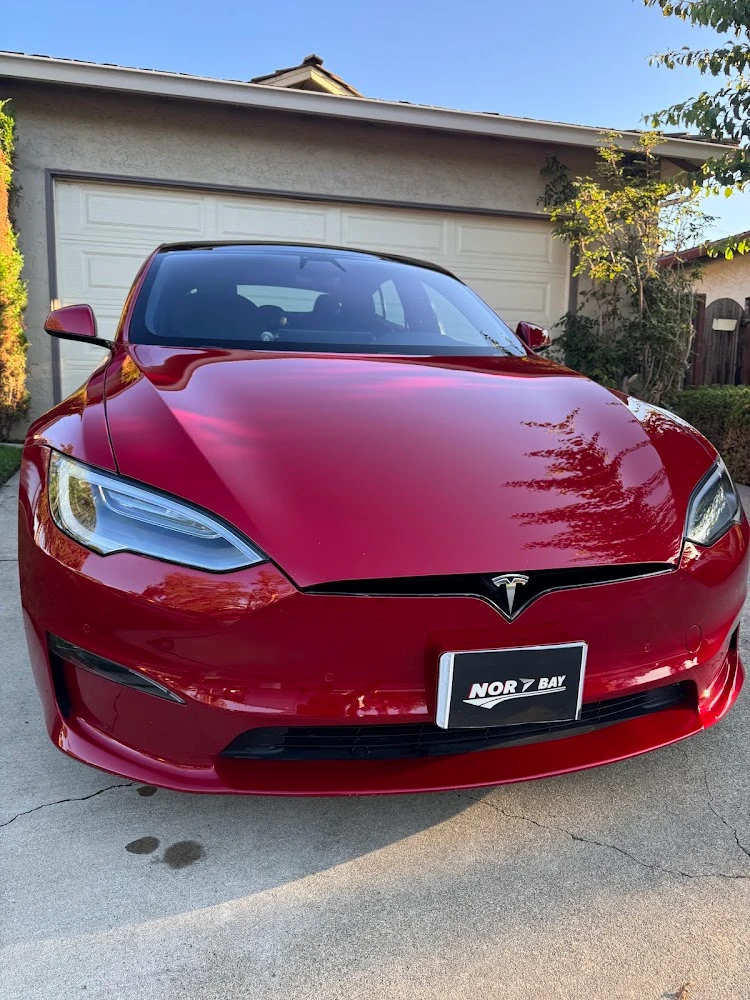
You just drove your brand new Tesla Model 3 or Model Y off the lot (or had it delivered straight from Fremont), and something doesn't look right. Under direct sunlight, you're seeing swirl marks. Fine scratches that weren't there when you signed the paperwork.
You're not imagining it. And you're definitely not alone.
Tesla's paint has a reputation—and not the good kind. Walk through any Tesla owners forum and you'll find thread after thread of people asking the same question: Why does my brand new car already have scratches?
The short answer: Tesla uses water-based paint that behaves differently from traditional automotive finishes. It's softer, thinner, and more vulnerable to damage during manufacturing, transport, and those first few washes.
The good news? If you catch it early, you can fix what's there and prevent future damage. Most Tesla owners who protect their paint within the first 1,000 miles end up with better-looking vehicles than people who wait.
Here's what you need to know.
What Makes Tesla Paint Different
Tesla uses water-based paint at its Fremont factory. This isn't a cost-cutting measure—it's an environmental choice. Water-based formulations produce fewer volatile organic compounds (VOCs) than traditional solvent-based automotive paints, helping Tesla meet California's strict emissions standards.
The tradeoff? The clear coat that protects your paint is softer than what you'd find on a BMW, Mercedes, or Lexus.
Think about it like this: Traditional clear coats are dense and resist scratching through sheer hardness. Tesla's clear coat is more flexible but also more susceptible to swirl marks from improper washing, micro-scratches from debris, and marring from the factory buffing process itself.
This affects every Tesla model—Model 3, Model Y, Model S, and Model X. However, the severity varies. Earlier production Model 3s (2018-2020) tend to show more issues than recent builds, though factory prep quality still fluctuates.
The darker your Tesla, the more visible these imperfections become. Black and Midnight Silver show every swirl mark under sunlight. White and Pearl White hide minor defects better—but they're still there.
Common Paint Issues You'll Find on New Teslas
Before you assume your Tesla is defective, understand that many of these issues show up on new vehicles straight from the factory. They're not unique to Tesla, but they're more visible due to the softer paint.
Factory Swirl Marks
During final prep at the factory, workers buff vehicles to remove dust and minor imperfections before delivery. When done quickly (and on a high-volume production line, it's always done quickly), this buffing creates circular scratches called swirl marks.
On a dark Tesla under LED shop lights, you might count 15-20 visible swirl patterns across the hood alone. Lighter colors hide them better, but an experienced eye will spot them.
Buffer Trails and Holograms
Sometimes you'll see elongated marks that follow a specific pattern—these are buffer trails from a rotary polishing tool. They happen when the buffer moves too fast or with too much pressure. The hologram effect appears as ghostly reflections that distort when you change viewing angles.
Orange Peel Texture
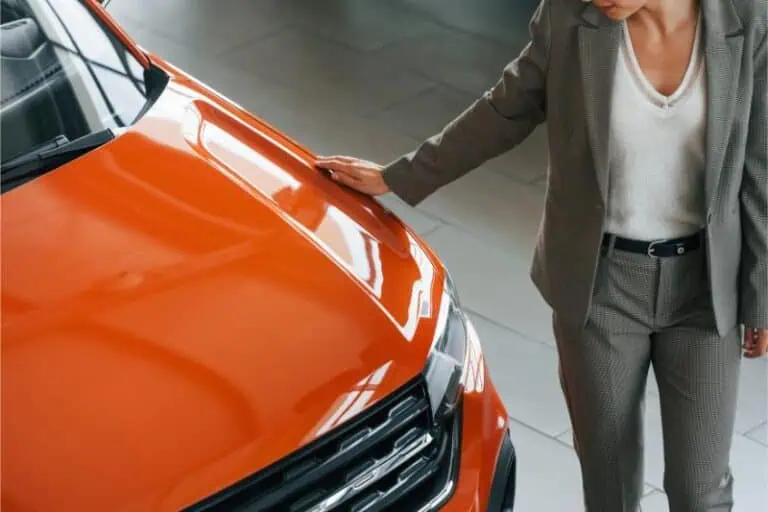
Run your hand across a Tesla hood and you might feel a subtle texture—like the skin of an orange. This happens when paint doesn't flow out perfectly flat during application. It's common on mass-produced vehicles and doesn't indicate a defect. However, it's more noticeable on Tesla's thinner clear coat, especially on black or deep blue finishes.
Thin Spots
Paint thickness varies across different body panels. Tesla's paint tends to run thinner around body lines, edges, and tight curves. These areas have less margin for error when doing paint correction—there's simply less material to work with.
Transport Damage
Your Tesla traveled from Fremont to its delivery location by truck or rail. Along the way, it may have picked up:
- Rail dust: Microscopic iron particles that embed in the paint
- Shipping compound residue: Protective wax that traps contaminants underneath
- Minor door dings: From adjacent vehicles during transport
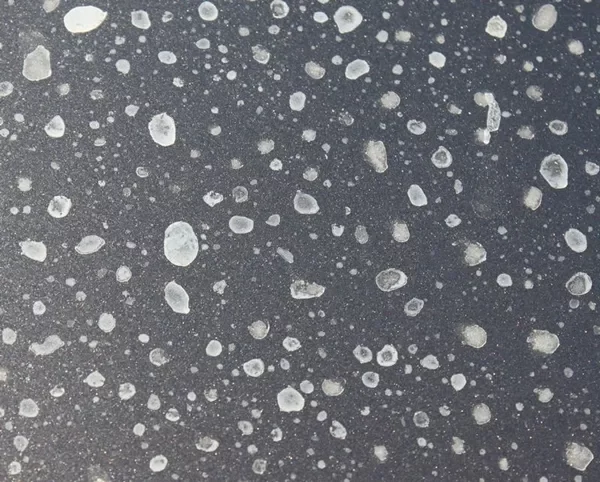
- Water spots: If it sat outside during rain and then dried in the sun
None of this is Tesla's fault specifically—it happens with every manufacturer. But it means your "new" car needs thorough decontamination before any protection goes on.
Your Three Protection Options
Once you know what you're dealing with, you have choices. The right one depends on how you drive, what you want to spend, and how long you want protection to last.
Option 1: Paint Correction + Ceramic Coating
Best for: Daily drivers who want protection without breaking the bank
Investment: $840–$1,590 (paint correction from $245 + ceramic coating from $595)
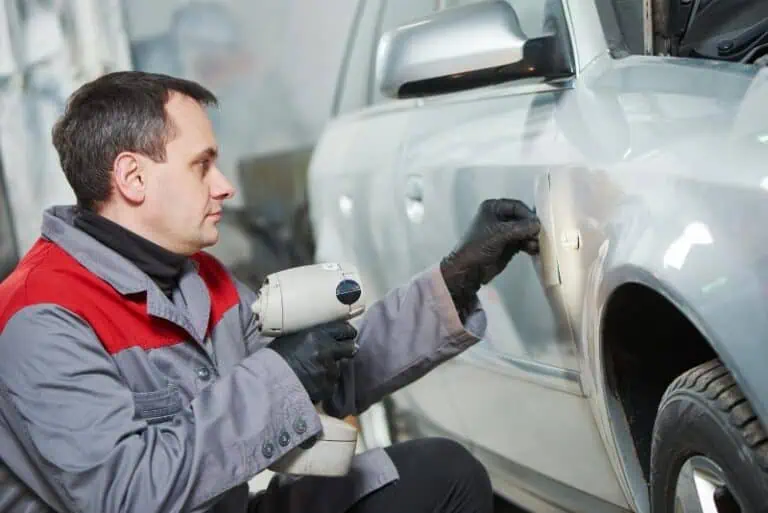
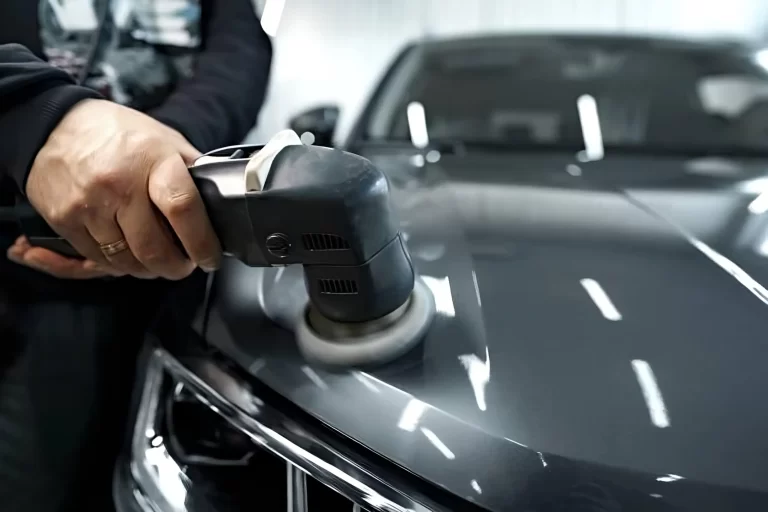
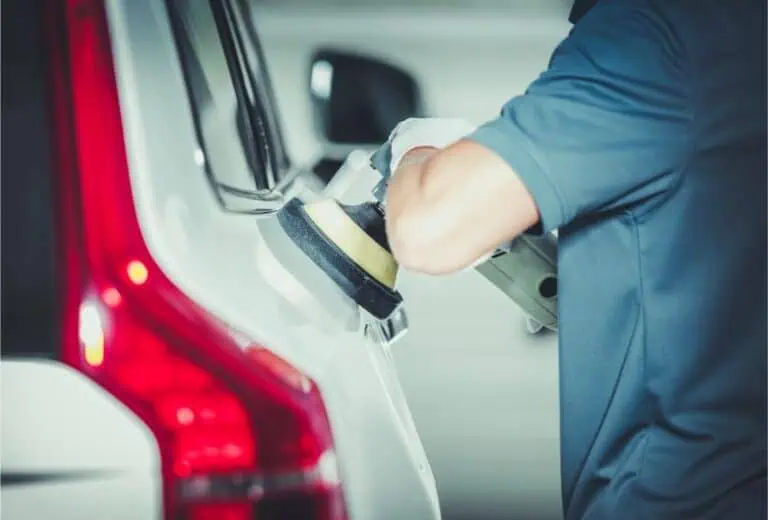
What's involved: We start with a one or two-step paint correction to remove swirl marks and minor scratches. This involves machine polishing with progressively finer compounds until the paint is smooth and clear.
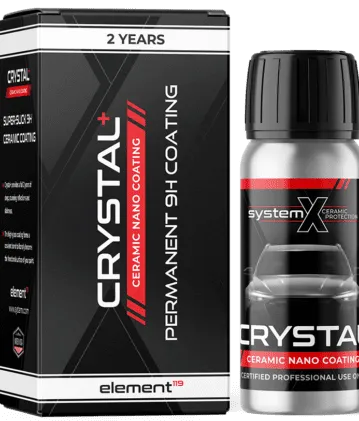
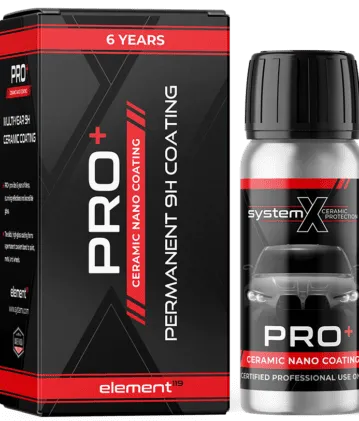
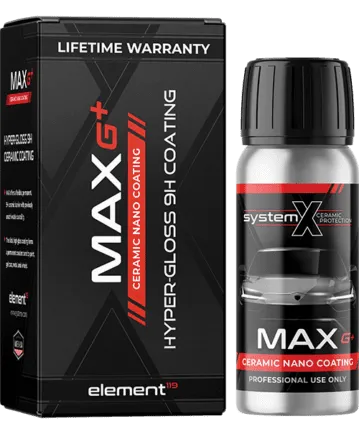
Once the paint is corrected, we apply a ceramic coating—a liquid polymer that bonds chemically to the clear coat. This creates a hydrophobic layer that repels water, makes washing easier, and protects against UV damage and minor chemical contamination.
How long it lasts: Our System X ceramic coatings offer 3–5 years of protection with proper maintenance. You'll still need to wash your car—ceramic coating isn't magic—but dirt slides off easier and water spots become less of an issue.
The catch: Ceramic coating doesn't prevent rock chips. It's a chemical barrier, not a physical one. For that, you need PPF.
Option 2: Paint Correction + PPF on High-Impact Areas
Best for: Highway commuters, Tesla owners who rack up miles, anyone tired of rock chips
Investment: $1,495–$2,000 (Partial Front PPF from $1,250 + paint correction if needed)
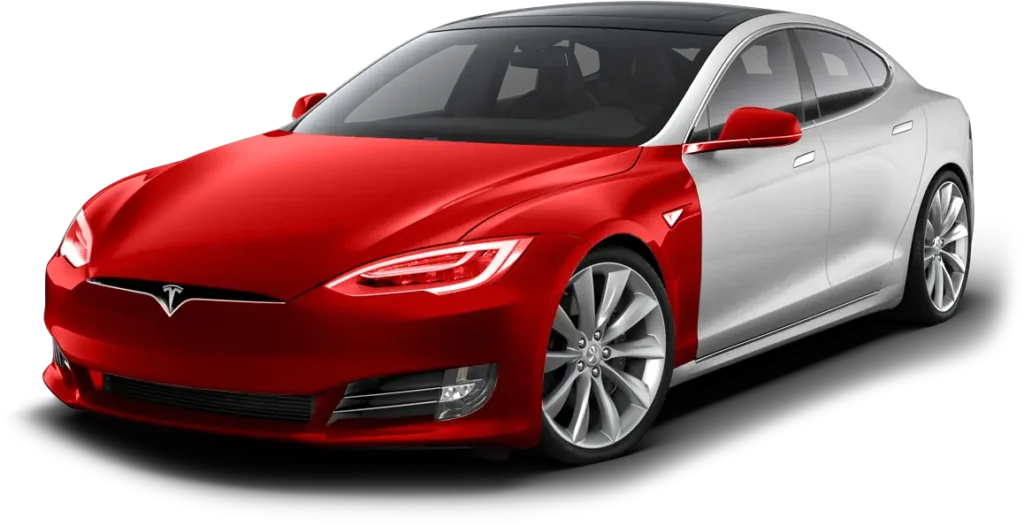
What's involved: Same paint correction process, but instead of coating the whole car, we apply Paint Protection Film (PPF) to the areas that take the most abuse—front bumper, hood, fenders, side mirrors, and door edges.
PPF is a thick, clear polyurethane film that absorbs impacts. When a rock hits your hood at 70 mph on Highway 101, the film takes the damage instead of your paint. Modern PPF (we use STEK's DYNOshield) even has self-healing properties—minor scratches disappear with heat exposure.
What gets covered: Most Tesla owners go with our Full Front package: front bumper, full hood, front fenders, side mirrors, and headlights. This protects everything forward-facing from road debris.
The catch: PPF doesn't cover the whole car at this price point. You might add ceramic coating to the rest of the vehicle for comprehensive protection.
Option 3: Full PPF + Ceramic Top Coat
Best for: Tesla owners who consider their car an investment, Model S Plaid owners, show vehicles
Investment: $5,100–$5,500+ (Full Body PPF from $4,500 + ceramic top coat)
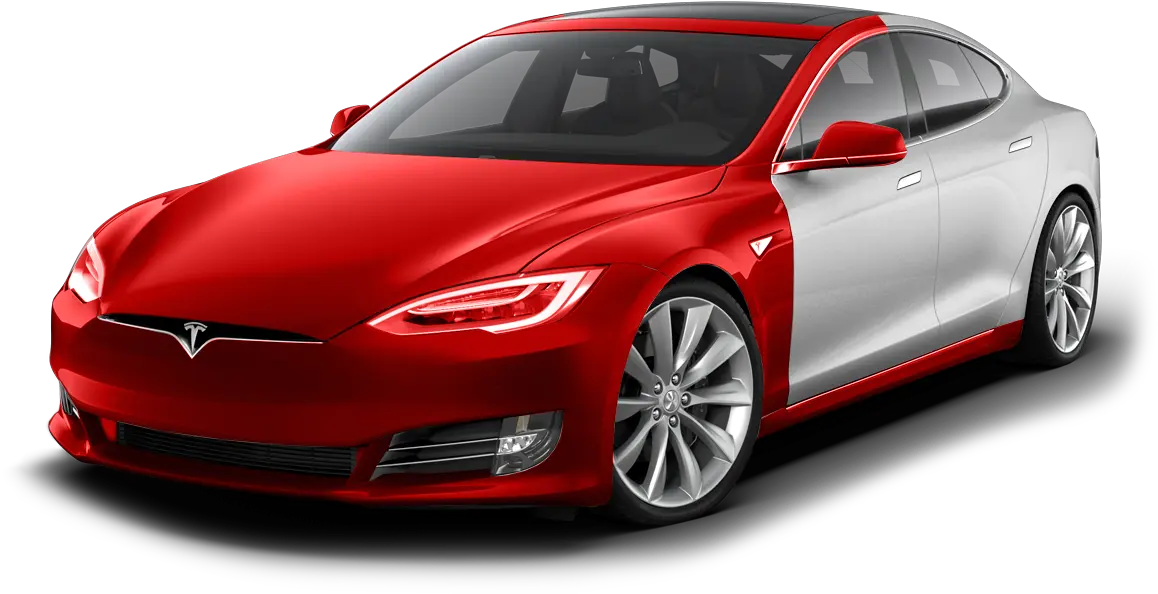
What's involved: Every painted surface gets wrapped in PPF—hood, fenders, doors, roof, trunk, everything. Then a ceramic coating goes on top of the film for easier maintenance and enhanced water beading.
This is the ultimate protection package. Your Tesla becomes nearly immune to rock chips, scratches, and environmental damage. The paint underneath stays factory-fresh for years.
Who actually needs this? If you're driving a $130,000 Model S Plaid or a fully loaded Model X, full-body PPF makes sense—it's a fraction of the vehicle's value and protects your investment. For a Model 3 Standard Range, you might be overbuying.
Tesla-Specific Detailing Considerations
Your Tesla isn't just different under the hood—it's different inside too. Standard detailing products don't always work, and some can cause damage.
Vegan Leather Seats Need Different Products
Tesla seats aren't leather. They're polyurethane—a synthetic material that looks like leather but behaves differently.
Traditional leather conditioners contain oils and silicones that make synthetic seats sticky and attract more dirt over time. The buildup creates a grimy film that's hard to remove.
We use water-based cleaners formulated specifically for synthetic materials. They clean without leaving residue and don't affect the material's texture or breathability.
White Seats and Dye Transfer
If you have Tesla's white interior, you've probably already noticed the blue staining from jeans. This is dye transfer—indigo from denim rubbing off onto the light-colored seat material.
Fresh dye transfer usually comes out with the right surfactant-based cleaner. Old, set-in stains are harder—they might lighten but won't disappear completely. That's why regular cleaning matters more for white interiors.
Touchscreen and Camera Protection
The 15-inch touchscreen is the control center for everything in your Tesla. It's also a fingerprint magnet.
Never use ammonia-based glass cleaners (like Windex) on the screen. Ammonia damages the anti-glare coating over time, leaving permanent haze. We use screen-safe, ammonia-free cleaners with microfiber cloths designed for electronics.
Same goes for the Autopilot cameras mounted around the vehicle. During exterior detailing, we mask all camera housings to prevent water intrusion and polish residue on the lenses. Your Autopilot functions stay intact.
Charging Port Protection
Water and electricity don't mix. Before any wash or detail, we cover the charging port to prevent moisture from reaching the electrical contacts. It's a small step that prevents potential issues down the road.
Glass Roof Cleaning
Tesla's panoramic glass roof is stunning—until it's covered in water spots and streaks. The glass shows every imperfection in direct sunlight.
We remove mineral deposits first (especially important in the Bay Area with our hard water), then clean in sections with ammonia-free glass cleaner. Multiple passes with proper microfiber technique eliminate the streaking that drives Tesla owners crazy.
When Should You Protect Your New Tesla?
The honest answer: as soon as possible.
The Ideal Window
If you can schedule paint correction and protection within the first 500 miles—before you've really driven the car—you're ahead of the game. The factory defects are minimal, no additional damage has accumulated, and a single-step correction is usually enough.
What Happens When You Wait
Every day adds more swirl marks. Every car wash (especially touchless washes with harsh chemicals or, worse, automatic brush washes) creates micro-scratches. Every highway mile adds road debris impacts.
We regularly see Tesla owners who waited 6 months before scheduling paint correction. Their vehicles need two or three-step correction instead of one step—which means more time, more material removed from an already thin clear coat, and $300–$500 more in labor.
The Pre-Delivery Option
Some owners schedule protection before they even take delivery. We detail the vehicle at the delivery center or pickup location, correcting factory defects and applying protection before the car goes anywhere.
This eliminates the risk of transport damage adding to factory issues. It also means your Tesla looks perfect from day one.
If Your Car Already Has Miles
Don't worry—it's never too late to protect your paint. We'll assess what correction level you need and work from there. Just understand that existing damage needs addressing before protection goes on, or you're sealing in problems.
Bay Area Tesla Owners: Local Factors That Matter
The Bay Area presents specific challenges for Tesla paint that generic car care advice doesn't address.
Hard Water Is Real Here
Santa Clara County has some of the hardest water in California. Those mineral deposits don't just make your faucets crusty—they etch into automotive paint if left to dry in the sun.
If you wash your Tesla at home and let it air dry, you're creating water spots that bond to the clear coat. Over time, these require polishing to remove. Ceramic coating helps because water beads up and rolls off, but you still need to dry properly.
Cities like San Jose, Sunnyvale, and Mountain View all pull from the same hard water sources. If you're in Palo Alto or Mountain View—two areas with massive Tesla concentration—you're dealing with this daily.
Coastal Fog and Salt Air
If you commute to Half Moon Bay, San Francisco, or anywhere along the coast, salt-laden marine air accelerates paint deterioration. The moisture doesn't dry completely—it lingers in crevices and accelerates corrosion.
Coastal Tesla owners benefit most from full protection packages. The salt air affects everything: paint, trim, underbody components.
UV Exposure in South Bay
San Jose averages 300+ sunny days per year. That's great for solar panel efficiency—and terrible for unprotected paint. UV radiation breaks down clear coat over time, leading to fading and oxidation.
Ceramic coating includes UV protection that slows this process. For maximum protection, PPF with UV inhibitors keeps the paint looking fresh for years.
What Should You Do Next?
Your Tesla represents a significant investment. Whether you bought it because you love the technology, the environmental benefits, or just how it drives, you want it to look good for years.
Here's the practical path forward:
-
Within the first month of ownership, schedule a paint inspection. We'll assess factory defects, transport damage, and current paint thickness. This is free and takes about 30 minutes.
-
Decide on your protection level based on how you drive. Highway commuters typically benefit from PPF on high-impact areas. City drivers who want easier maintenance often go with ceramic coating. Owners who want it all get both.
-
Schedule the work when your calendar allows for a day without your car. Most paint correction and ceramic coating jobs take 4–8 hours. PPF installation adds additional time depending on coverage.
-
Follow maintenance guidelines afterward. Ceramic coating isn't zero-maintenance—you still need to wash properly. We provide care instructions specific to what we applied.
The window for easy correction closes as miles add up. What costs $840 now might cost $1,200 in six months. And damage left untreated gets harder to reverse.
Your Tesla's paint is different. Treat it that way, and it'll reward you with years of looking good.
Ready to Protect Your Tesla?
We've detailed hundreds of Teslas across San Jose, Palo Alto, Fremont, and the greater Bay Area. We know what we're looking at when we inspect Tesla paint—the factory issues, the transport damage, the hard water spots from San Jose's municipal supply.
Schedule your free paint inspection and we'll show you exactly what's on your car and what it takes to fix it. No pressure, no upselling—just honest assessment from people who work on Teslas every day.
Get a free Tesla paint inspection →
Quick Links: Tesla Care Services
- Tesla Detailing – Full interior and exterior service
- Ceramic Coating San Jose – 3-5 year paint protection
- Paint Correction San Jose – Swirl mark and scratch removal
- PPF Installation San Jose – Rock chip prevention
Service Areas for Tesla Detailing
We bring mobile Tesla detailing to your home or office throughout Santa Clara County:
- San Jose (all neighborhoods)
- Menlo Park
- Mountain View & Sunnyvale
- Cupertino & Campbell
- Los Gatos & Saratoga
- Los Altos & Santa Clara
Need ceramic coating in a specific area? Check our location pages:
Ceramic Coating Palo Alto | Ceramic Coating Mountain View | Ceramic Coating Cupertino | Ceramic Coating Sunnyvale | Ceramic Coating Los Gatos